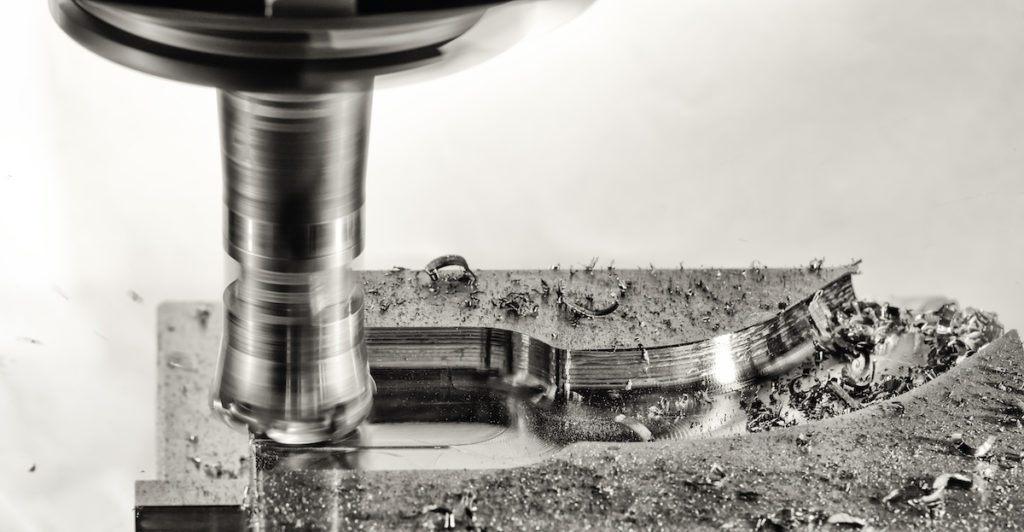
Machining is a precise and complex process where minor errors can lead to wasted time, material, and increased costs. Whether using the wrong tool or skipping essential maintenance, avoiding these common mistakes can improve productivity, extend tool life, and enhance product quality. Here’s a look at Epic Tool’s list of five frequent machining mistakes, why they matter, and practical tips to prevent them.
Incorrect Tool Selection
One of the most common mistakes is using the wrong tool for a specific material or task. Choosing an improper tool can lead to poor finishes, rapid tool wear, and even damaged workpieces. For example, using a standard high-speed steel tool on a hardened metal often results in premature dulling, while carbide tools handle such materials more effectively.
Solution:
Selecting the right tool starts with understanding your project requirements, including material hardness, thickness, and any heat-resistance needs. Referencing tooling guides or catalogues can help ensure your tool choice meets your project’s demands.
Improper Tool Maintenance
Proper tool maintenance is essential for consistent quality and longevity. Neglecting maintenance often decreases precision, tool breakage, and inferior finishes. Dull or dirty tools tend to generate excessive heat, damaging both the tool and the workpiece, causing rework and downtime.
Solution:
Incorporate cleaning and inspection into your regular workflow. After each use, clean tools to remove material buildup and inspect for signs of wear, such as chipping or loss of sharpness. Replace worn tools promptly instead of trying to extend their use past a safe point. Proper storage also contributes to tool longevity, so keeping tools in a dry, organized space is essential.
Incorrect Speeds and Feeds
Using incorrect speeds and feeds can result in poor finishes, excessive tool wear, and sometimes even tool breakage. Setting speeds and feeds too high or too low, especially for harder materials, can cause overheating and impact accuracy.
Solution:
Setting optimal speeds and feeds depends on both material type and tool specifications. Many tooling suppliers provide charts with recommended settings, which can be invaluable. Testing on a sample piece helps ensure you’re set up correctly for the actual project, balancing efficiency with quality.
Poor Chip Control
Chip control is a critical aspect of machining, as accumulated chips can clog cutting areas, reduce cooling, and even damage the workpiece. When chips aren’t removed effectively, they can build up, overheat the cutting area, and potentially lead to tool breakage. Poor chip management impacts both quality and safety, especially during high-speed machining.
Solution:
Using tools with chip breakers and ensuring proper coolant flow helps prevent clogging and overheating. Chip breakers are specifically designed to manage chip size and shape, keeping the cutting area clear. Additionally, ensure sufficient coolant flow to move chips away from the tool area and maintain safe temperatures.
Lack of Proper Training and Setup
Proper training and thorough setup are crucial for precision and safety in machining. Skipping setup steps or lacking training often results in tool misalignment, incorrect speed settings, or poor fixture placement, leading to poor-quality output and possible machine downtime. Without the necessary knowledge, operators may struggle with basic troubleshooting, increasing delays.
Solution:
Investing in training ensures all team members understand best practices for machine operation, setup, and safety. Encourage double-checking of setups before beginning a job, including verifying alignment, tooling, and settings. Proper setup includes securing the workpiece, selecting the right tool, and confirming machine settings align with the project’s needs. Small extra steps at the start can prevent hours of adjustments later.
Final Thoughts
Avoiding these common machining mistakes not only protects your tools and equipment but also leads to higher-quality outcomes and smoother operations. Correct tool selection, regular maintenance, optimal speeds and feeds, effective chip control, and a thorough setup process are all vital to preventing disruptions in production. Implementing these best practices can transform your machining results. Have questions or need expert guidance? Contact Epic Tool today for personalized support and top-quality tooling solutions.